
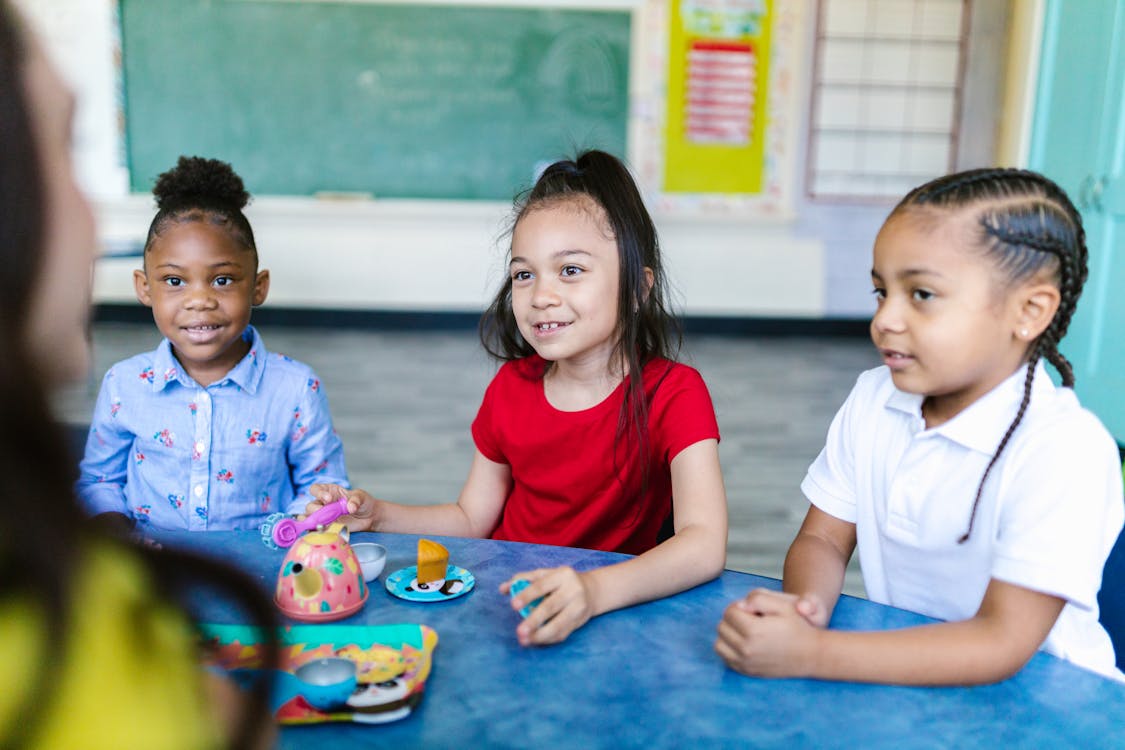
Enrolling a child in a nursery school provides a strong foundation for their future academic achievements. Here’s how early education in a nursery school can positively impact long-term academic success.
Development of Early Learning Skills
Nursery schools play a crucial role in developing essential early learning skills. Children are introduced to basic literacy and numeracy in an engaging and playful manner. This early exposure helps children develop a love for learning, setting the stage for future academic success. Through interactive activities and hands-on learning, children begin to understand the fundamentals of reading, writing, and arithmetic. This early start not only prepares them for primary school but also instil a sense of confidence and competence in their abilities.
Key Skills Developed
- Literacy and Numeracy Foundations
- Problem-Solving Abilities
- Language and Communication Skills
Social and Emotional Development
Attending a nursery school helps children develop important social and emotional skills. Interaction with peers and teachers teaches them how to communicate, share, and work in a group. These skills are vital for success in school and beyond. Children learn to navigate social situations, manage their emotions, and develop empathy for others. This socialisation process is crucial for building strong interpersonal skills and forming healthy relationships throughout their lives.
Benefits of Social Interaction
- Improved Communication Skills
- Enhanced Emotional Regulation
- Stronger Social Connections
Structured Learning Environment
A nursery school provides a structured environment that introduces children to a routine. This structure helps children understand the concept of time management and the importance of following a schedule, which are critical skills for academic success. The predictable daily routine helps children feel secure and understand what to expect, which can reduce anxiety and improve their ability to focus and learn. This early introduction to structure also helps children adapt more easily to the formal school environment later on.
Importance of Structure
- Time Management Skills
- Understanding of Routines
- Discipline and Focus
Encouragement of Curiosity and Creativity
Nursery schools encourage curiosity and creativity, fostering a love for exploration and discovery. Children are given opportunities to engage in various activities that stimulate their imagination and creativity, contributing to a well-rounded education. Creative activities like art, music, and storytelling allow children to express themselves and think outside the box. These experiences not only enhance cognitive abilities but also promote emotional well-being and resilience.
Creative Activities
- Art and Craft Projects
- Music and Dance
- Storytelling and Dramatic Play
Early Identification of Learning Needs
One significant advantage of nursery school is the early identification of any learning needs or developmental delays. Early intervention can be provided, ensuring that children receive the support they need to thrive academically. Teachers in nursery schools are trained to observe and recognize signs of learning difficulties and can work with parents and specialists to address these issues promptly. Early support can make a significant difference in a child’s educational journey, providing tailored strategies to help them succeed.
Early Intervention Benefits
- Tailored Educational Support
- Better Preparation for Primary School
- Improved Long-Term Outcomes
Building Confidence and Independence
Nursery school helps children build confidence and independence by encouraging them to make choices and take on small responsibilities. This fosters a sense of self-assurance that is essential for tackling academic challenges in the future. Activities that promote self-reliance, such as completing simple tasks or making decisions about their activities, help children develop a sense of autonomy and competence. These experiences build a foundation of confidence that supports academic and personal growth.
Confidence-Building Activities
- Group Projects
- Independent Playtime
- Simple Responsibilities
Parental Involvement and Communication
Nursery schools often promote strong communication between parents and teachers, fostering a collaborative approach to a child’s education. Regular updates and parent-teacher meetings ensure that parents are informed about their child’s progress and can participate actively in their development. This partnership helps reinforce learning at home and creates a supportive environment for the child. Parents are encouraged to engage in activities and discussions that complement what is being taught in the nursery, enhancing the overall educational experience.
Communication Methods
- Regular Updates
- Parent-Teacher Meetings
- Involvement Opportunities
Enrolling a child in a nursery school can have a profound positive impact on their long-term academic success. By fostering early learning skills, social and emotional development, and a structured learning environment, nursery schools lay the groundwork for a bright academic future. Encouraging curiosity, identifying learning needs early, and building confidence further support children’s journey toward academic excellence.


